
Different paths to conception
In-Vitro Fertilisation (IVF) is a widely recognized method of assisted conception. This process begins with hormone treatments and injections designed to stimulate the ovaries, encouraging them to produce more eggs. Once the eggs are ready, they are retrieved and then fertilized with a sperm sample in a laboratory to create embryos. The final step involves transferring the embryos into the uterus, with the hope of achieving a successful pregnancy.
Intrauterine Insemination (IUI) is a procedure that aids natural conception by placing specially prepared sperm directly into the uterus. This technique boosts the chances of sperm reaching the fallopian tubes and fertilizing the mature egg. In some cases, medications and a trigger injection are used to stimulate the production of multiple eggs and to time their release accurately.
Ovulation Induction is a hormone treatment that uses oral medications such as Clomid or Letrozole to stimulate the ovaries to develop eggs and induce ovulation. This increases the chances of successful conception through timed intercourse. It can be used as a primary method or in conjunction with IUI, especially for women with irregular menstrual cycles or those who do not ovulate.
Blocked Fallopian Tubes
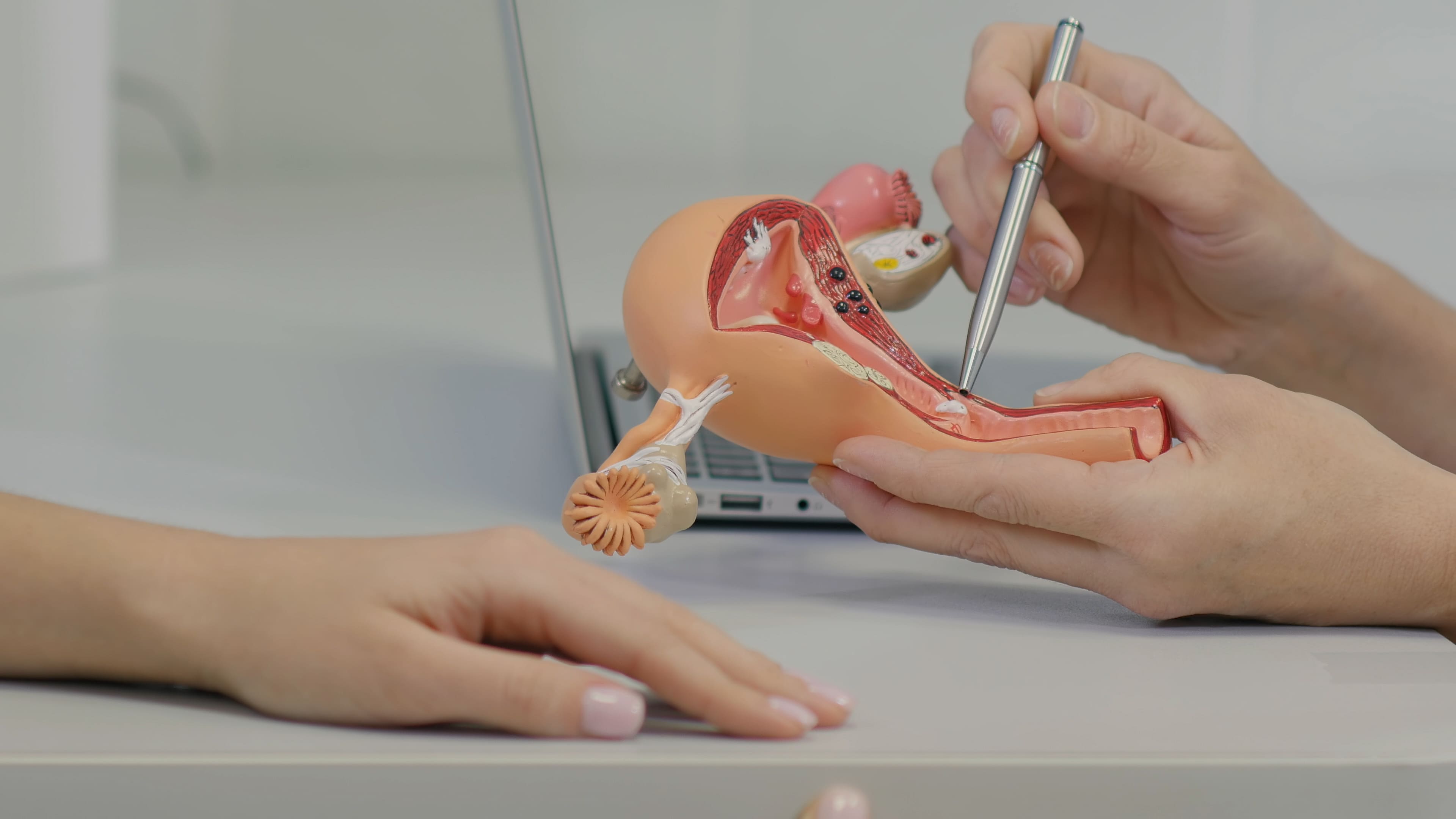
Blocked fallopian tubes are a recognised cause of difficulty conceiving in women. Since fertilisation normally occurs within the fallopian tubes, a blockage can prevent the egg and sperm from meeting.
Understanding what causes this condition, how it is diagnosed, and the available treatment options can help you make informed decisions about your fertility journey.

Causes
Fallopian tube blockage can result from a range of underlying conditions, including:
- Pelvic infections (such as pelvic inflammatory disease), which may cause inflammation or scarring.
- Endometriosis, where tissue similar to the uterine lining grows outside the uterus and affects nearby structures, including the tubes.
- Previous pelvic or abdominal surgery, which can lead to adhesions or scar tissue.
- Hydrosalpinx, a condition where a tube becomes filled with fluid and swollen, often blocking the passage of eggs and sperm.
Diagnosis
Blocked tubes often cause no obvious symptoms, and diagnosis typically requires medical testing such as:
- Hysterosalpingogram (HSG): An X-ray test using a contrast dye to check if the tubes are open.
- Sonohysterography (Saline Infusion Sonography): An ultrasound procedure using saline to visualise the uterus and tubes.
- Laparoscopy: A minimally invasive procedure that allows direct visualisation of the fallopian tubes and surrounding structures.
These investigations help your doctor determine the best approach for care and management.
Common Questions
Can blocked fallopian tubes cause symptoms?
Most women do not experience noticeable symptoms. However, pelvic discomfort may occur if the blockage is related to infection or endometriosis.
Can pregnancy occur if only one tube is blocked?
Yes. Natural conception may still be possible if one tube remains open and healthy.
Do blocked tubes always require surgery?
Not necessarily. Treatment depends on the type and extent of the blockage. In some cases, assisted reproductive technologies such as IVF can bypass the fallopian tubes.
How common is this condition?
Tubal blockage accounts for approximately 20–30% of fertility challenges among women.
Can blocked tubes be prevented?
Reducing the risk of pelvic infections and managing conditions like endometriosis early may help lower the risk.
Treatment Options
The most suitable treatment depends on the location and severity of the blockage:
- Surgical repair may be considered in selected cases where scarring or adhesions are minimal.
- IVF (In Vitro Fertilisation) is often recommended because it allows fertilisation to occur outside the body, bypassing the fallopian tubes.
- Removal of hydrosalpinx may be advised before IVF to improve success rates.
Your doctor will discuss options tailored to your medical findings and personal goals.
Supporting Your Fertility Journey
At GenPrime, fertility care means combining medical expertise with compassion and respect for every individual’s path to parenthood.
Our clinics operate in alignment with Singapore’s Ministry of Health (MOH) and international Reproductive Technology Accreditation Committee (RTAC) standards, offering assessments, diagnostic testing, and treatments designed to support safe, ethical, and personalised care.