
Different paths to conception
In-Vitro Fertilisation (IVF) is a widely recognized method of assisted conception. This process begins with hormone treatments and injections designed to stimulate the ovaries, encouraging them to produce more eggs. Once the eggs are ready, they are retrieved and then fertilized with a sperm sample in a laboratory to create embryos. The final step involves transferring the embryos into the uterus, with the hope of achieving a successful pregnancy.
Intrauterine Insemination (IUI) is a procedure that aids natural conception by placing specially prepared sperm directly into the uterus. This technique boosts the chances of sperm reaching the fallopian tubes and fertilizing the mature egg. In some cases, medications and a trigger injection are used to stimulate the production of multiple eggs and to time their release accurately.
Ovulation Induction is a hormone treatment that uses oral medications such as Clomid or Letrozole to stimulate the ovaries to develop eggs and induce ovulation. This increases the chances of successful conception through timed intercourse. It can be used as a primary method or in conjunction with IUI, especially for women with irregular menstrual cycles or those who do not ovulate.
Male Fertility
Preservation
Male fertility preservation involves collecting and storing sperm for future use. The most common method is sperm freezing (cryopreservation), where sperm samples are collected, frozen, and stored under controlled laboratory conditions.
In Singapore, sperm freezing is permitted for specific purposes, including medical reasons and certain backup situations related to fertility treatment. Elective or social sperm freezing is not available for most individuals.
Our team will guide you through the process and help determine whether preservation is appropriate for your situation during your doctor’s consultation.
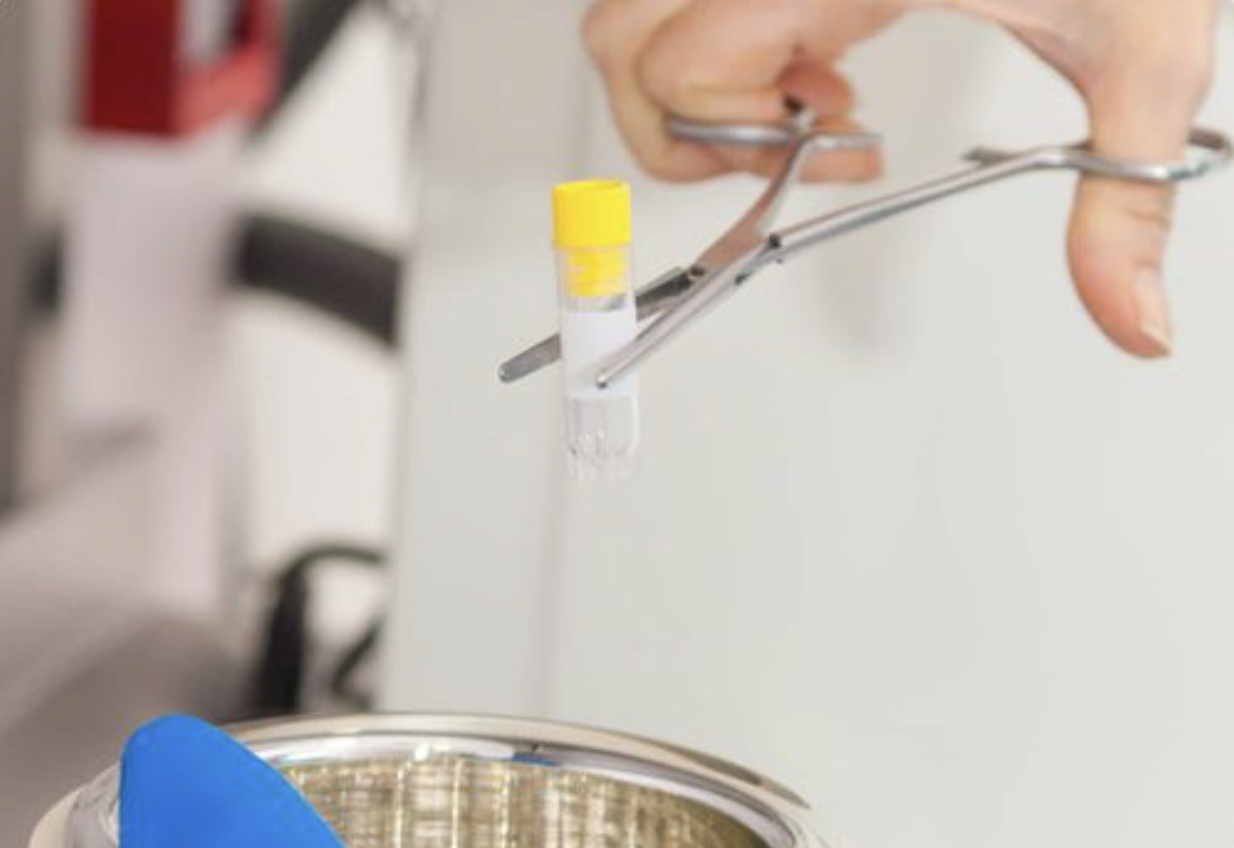
The Preservation Process
Your doctor will explain the process, review your medical history, and conduct any necessary tests.
Sperm is typically collected through a semen sample provided at the clinic. In some cases, surgical retrieval methods such as Testicular Sperm Aspiration (TESA) may be advised.
The sperm is frozen using cryopreservation and stored in a controlled environment for future use.
When required, frozen sperm can be thawed and used in fertility treatments such as IVF or IUI, depending on local regulations and medical advice.
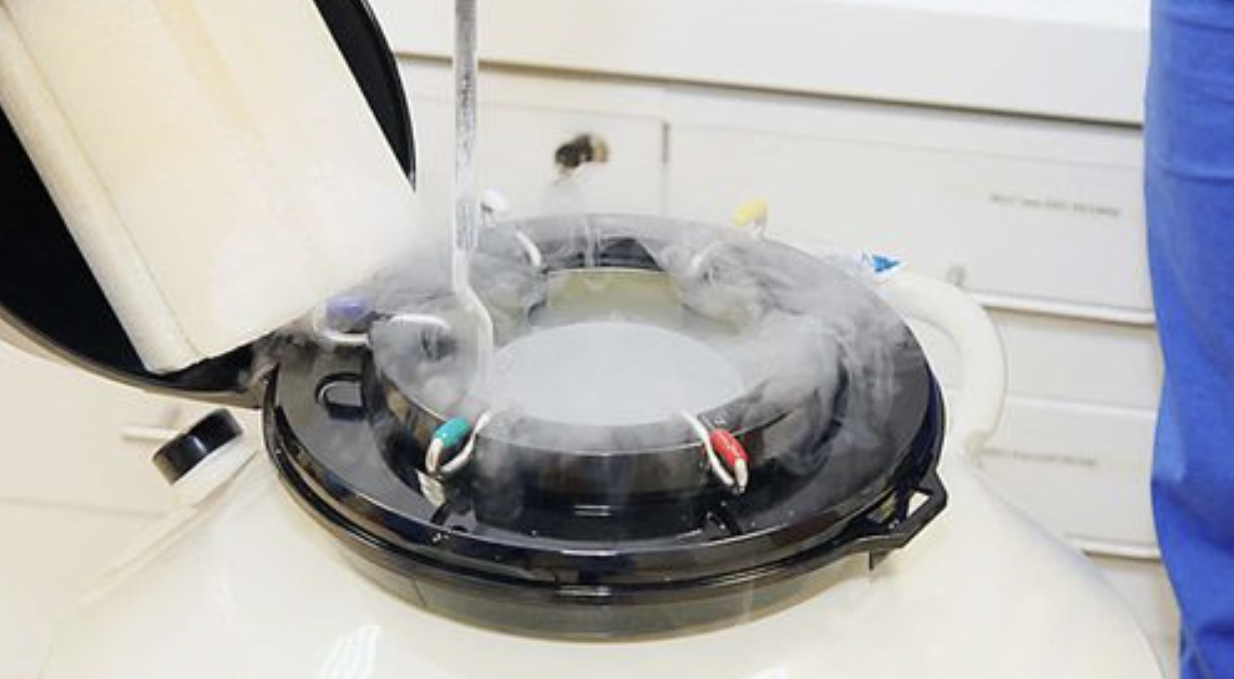
Will I Need Fertility Preservation?
Your doctor may discuss sperm freezing if:
- You are preparing for medical treatments (such as chemotherapy or radiation) that may affect fertility.
- You have a medical condition that could impact sperm production or quality.
- You require certain surgical procedures that may affect fertility.
In Singapore, fertility preservation for elective (social) reasons is not permitted.
Common Questions
Sperm can be stored long term under regulated conditions, following local guidelines.
Sperm freezing does not usually affect your natural fertility. Your doctor can explain how the process may relate to your individual health.
Sperm collection is generally simple and painless. Surgical retrieval methods such as TESA are minor procedures performed under local or general anaesthesia, if required.
Your doctor will advise whether sperm freezing is suitable for your situation. In Singapore, sperm freezing is permitted for specific purposes, such as medical reasons or certain backup needs related to treatment. Suitability will be assessed during your consultation.
Regulations differ by country. GenPrime follows all in-country laws and helps patients understand what options are available in their location.