
Different paths to conception
In-Vitro Fertilisation (IVF) is a widely recognized method of assisted conception. This process begins with hormone treatments and injections designed to stimulate the ovaries, encouraging them to produce more eggs. Once the eggs are ready, they are retrieved and then fertilized with a sperm sample in a laboratory to create embryos. The final step involves transferring the embryos into the uterus, with the hope of achieving a successful pregnancy.
Intrauterine Insemination (IUI) is a procedure that aids natural conception by placing specially prepared sperm directly into the uterus. This technique boosts the chances of sperm reaching the fallopian tubes and fertilizing the mature egg. In some cases, medications and a trigger injection are used to stimulate the production of multiple eggs and to time their release accurately.
Ovulation Induction is a hormone treatment that uses oral medications such as Clomid or Letrozole to stimulate the ovaries to develop eggs and induce ovulation. This increases the chances of successful conception through timed intercourse. It can be used as a primary method or in conjunction with IUI, especially for women with irregular menstrual cycles or those who do not ovulate.
Fertility Tests and Assessments
Understanding your fertility health is an important first step in planning for the future. Fertility assessments can provide insights into both male and female reproductive health, helping healthcare professionals identify factors that may affect conception and guide appropriate care plans.
The Testing Process
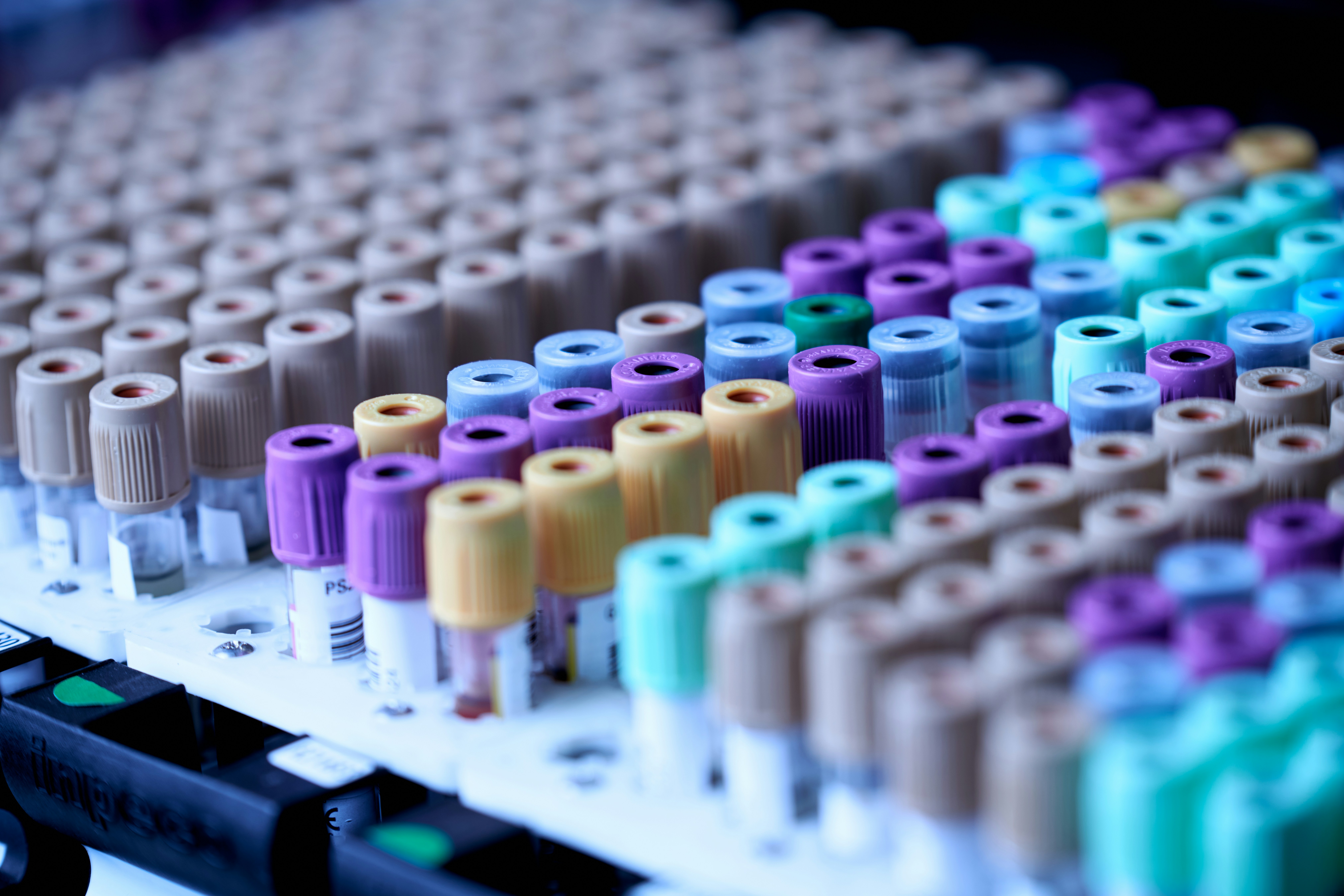
Your journey typically begins with a consultation and basic fertility tests, such as bloodwork and ultrasound, to establish a clinical overview.
These may include ovarian reserve testing (AMH and FSH), ultrasound evaluation of the ovaries and uterus, hysterosalpingogram (HSG) to check fallopian tube patency, and hormone profiling.
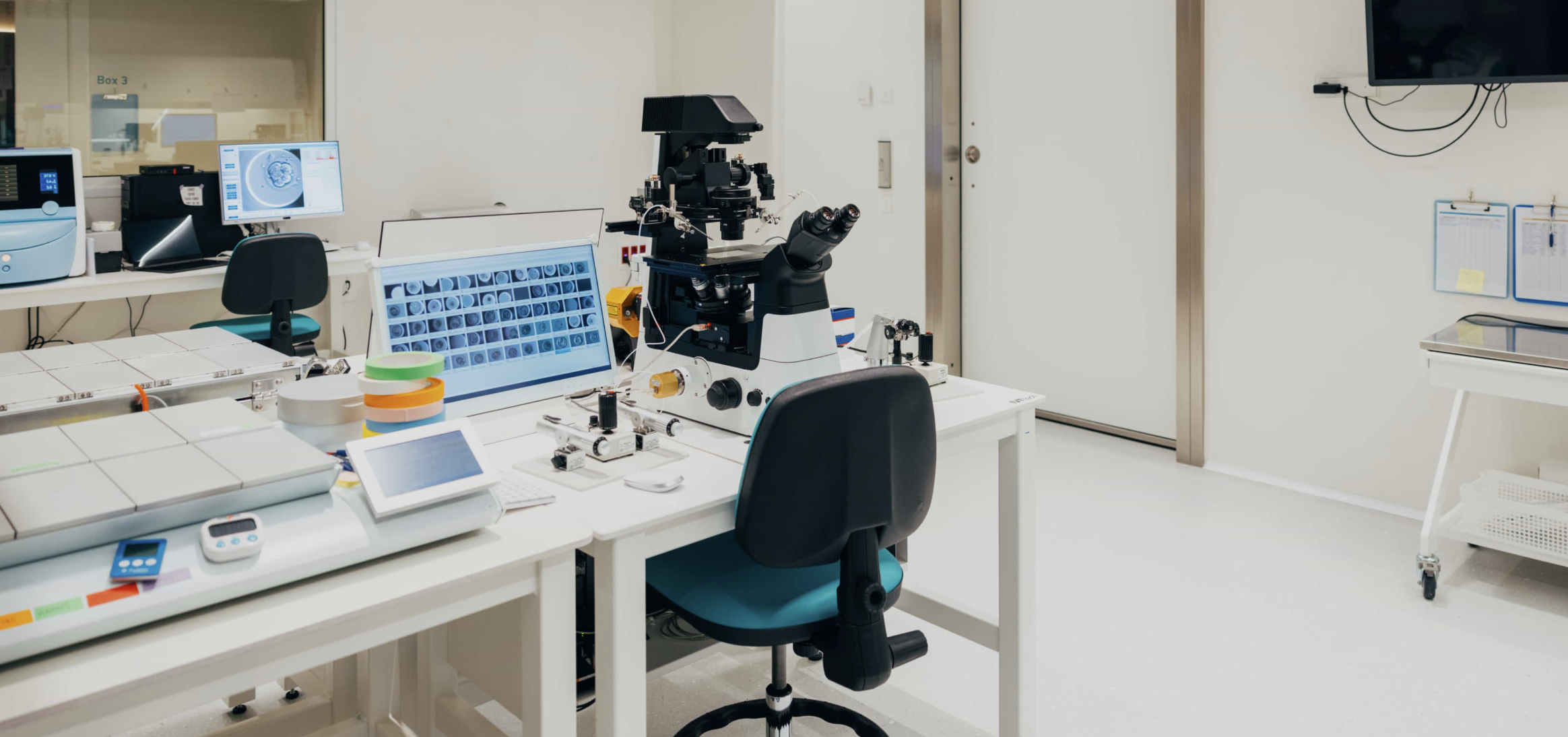
Semen analysis is performed to assess sperm count, motility, and morphology. In some cases, additional tests may be recommended based on individual circumstances.
Will I Need Fertility Tests?
Your doctor may suggest certain fertility tests if any of the following apply:
- You have been trying to conceive for 6–12 months without success.
- You experience irregular or absent menstrual cycles.
- You have conditions such as PCOS, endometriosis, or fibroids.
- You have a history of miscarriage.
- You are above 35 years old and planning pregnancy.
- There are indications of possible male factor infertility.
Even if you are not experiencing difficulties, some individuals choose to undergo fertility testing for reassurance when planning for the future.
Common Questions
Most fertility tests involve simple blood draws or ultrasounds. Some procedures, such as a hysterosalpingogram (HSG), may cause mild discomfort but are generally well tolerated.
The turnaround time varies by test type. Basic blood or semen tests may return results within a few days, while genetic or hormonal assessments can take longer.
Fertility testing can provide useful information about reproductive health, but results may not always identify a specific cause of infertility. They help guide discussions about possible next steps in care.
Yes. Some individuals choose to have fertility assessments to better understand their reproductive health, particularly if they plan to conceive later.
Your doctor will review the results with you and discuss appropriate options or follow-up steps based on your health and goals.