
Different paths to conception
In-Vitro Fertilisation (IVF) is a widely recognized method of assisted conception. This process begins with hormone treatments and injections designed to stimulate the ovaries, encouraging them to produce more eggs. Once the eggs are ready, they are retrieved and then fertilized with a sperm sample in a laboratory to create embryos. The final step involves transferring the embryos into the uterus, with the hope of achieving a successful pregnancy.
Intrauterine Insemination (IUI) is a procedure that aids natural conception by placing specially prepared sperm directly into the uterus. This technique boosts the chances of sperm reaching the fallopian tubes and fertilizing the mature egg. In some cases, medications and a trigger injection are used to stimulate the production of multiple eggs and to time their release accurately.
Ovulation Induction is a hormone treatment that uses oral medications such as Clomid or Letrozole to stimulate the ovaries to develop eggs and induce ovulation. This increases the chances of successful conception through timed intercourse. It can be used as a primary method or in conjunction with IUI, especially for women with irregular menstrual cycles or those who do not ovulate.
Intrauterine Insemination
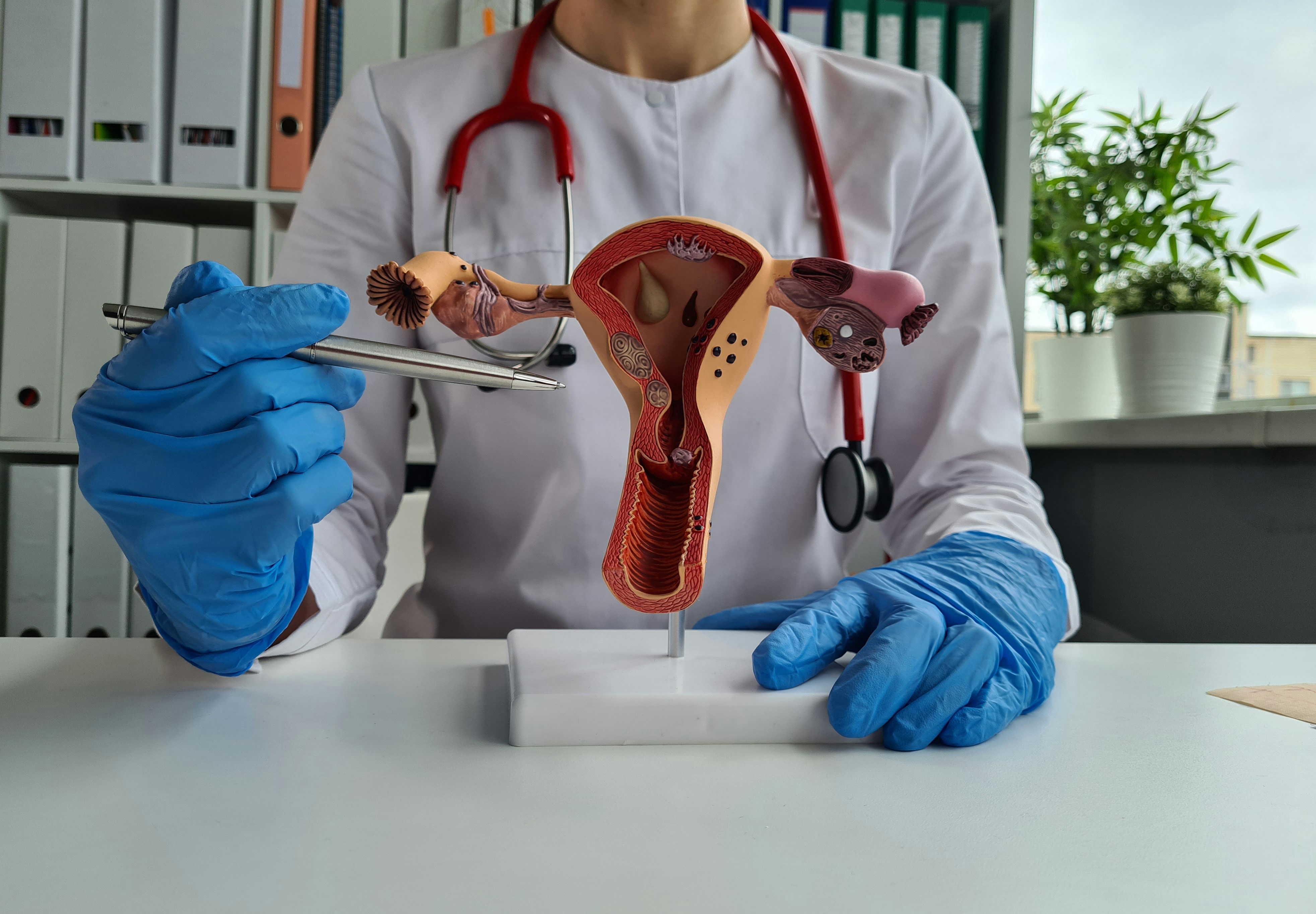
Often used as one of the initial fertility treatment options, intrauterine insemination (IUI) involves placing prepared sperm directly into the uterus around the time of ovulation to facilitate fertilisation.
Before proceeding with IUI, your doctor may suggest a diagnostic test called a hysterosalpingogram (HSG) to check for any blockages or structural abnormalities in the uterus or fallopian tubes. The procedure involves injecting a medical-grade dye into the uterus and viewing it under X-ray or ultrasound to assess whether the fallopian tubes are open and the uterine cavity appears normal.

The IUI Process
Ultrasound scans and blood tests are used to track ovulation. In some cases, medication may be prescribed to stimulate egg growth.
A sperm sample is processed in the laboratory to concentrate motile sperm.
The prepared sperm is placed directly into the uterus using a thin catheter. The procedure is generally brief and well tolerated.
Fertilisation takes place naturally inside the body. Around two weeks later, a blood test is performed to determine whether conception has occurred.
Will I Need IUI?
Your doctor may suggest IUI if:
- You have unexplained infertility.
- There are mild male fertility factors, such as slightly low sperm count or motility.
- You have ovulation problems that can be managed with medication.
IUI may not be suitable if the fallopian tubes are blocked, if there are significant sperm issues, or if other treatment approaches are being considered.
Your doctor will assess your medical history and test results to determine whether IUI may be appropriate for you.
Common Questions
An IUI cycle usually takes about 2–3 weeks, depending on ovulation timing and whether medication is used.
Most individuals experience little discomfort during IUI, though mild cramping similar to menstrual pain can occur.
The number of IUI cycles needed varies for each person. Your doctor will review results after each cycle and discuss appropriate next steps.
Donor sperm may be used for IUI in specific clinical situations, based on medical assessment and regulatory guidelines.
IUI is generally considered a low-risk procedure. The main potential risk is a higher chance of multiple pregnancy when ovulation-inducing medication is used.