
How Age and Lifestyle Affect Fertility in Singapore
Many people in Singapore begin thinking about fertility when they are ready to start a family. At that point, questions often come up about how age, health, and lifestyle may play a role.
Fertility changes over time and can also be influenced by overall health. Understanding these factors can help you decide when to seek advice or consider a Fertility Assessment in Singapore.

Age and female fertility
Women are born with a fixed number of eggs. Over time, both the number and quality of eggs change.
For many women, these changes become more noticeable from the mid-30s. This may affect the chances of conception.
If needed, tests such as hormone levels and ultrasound can help provide a clearer picture of your fertility health. Based on this, your doctor may guide you on what steps may be appropriate, which could include options such as IVF or Egg Freezing, where relevant.
Lifestyle and Fertility
Daily habits and overall health can influence fertility in both women and men.
Body weight outside a healthy range may affect hormone balance and reproductive function.
Smoking has been linked to changes in egg quality and sperm health.
Excessive alcohol intake may affect hormone regulation. Moderation is generally advised when planning pregnancy.
Ongoing stress, poor sleep, and low physical activity may affect overall wellbeing and reproductive health.
Lifestyle changes do not guarantee pregnancy, but they may support overall fertility health.

Medical factors to consider
Some medical conditions may affect fertility, including:
- Polycystic ovarian syndrome (PCOS)
- Endometriosis
- Thyroid conditions
- Diabetes
- Hormonal imbalances
A structured Fertility Assessment can help identify these conditions and guide next steps where appropriate.
When to consider a fertility assessment in Singapore
You may wish to speak with a fertility doctor in Singapore if:
- You have been trying to conceive for 12 months without success
- You are over 35 and have been trying for 6 months
- Your menstrual cycles are irregular
- There are known concerns with sperm health
- You are considering fertility preservation, such as egg freezing
Seeking advice can help you better understand your fertility health and what options may be available.

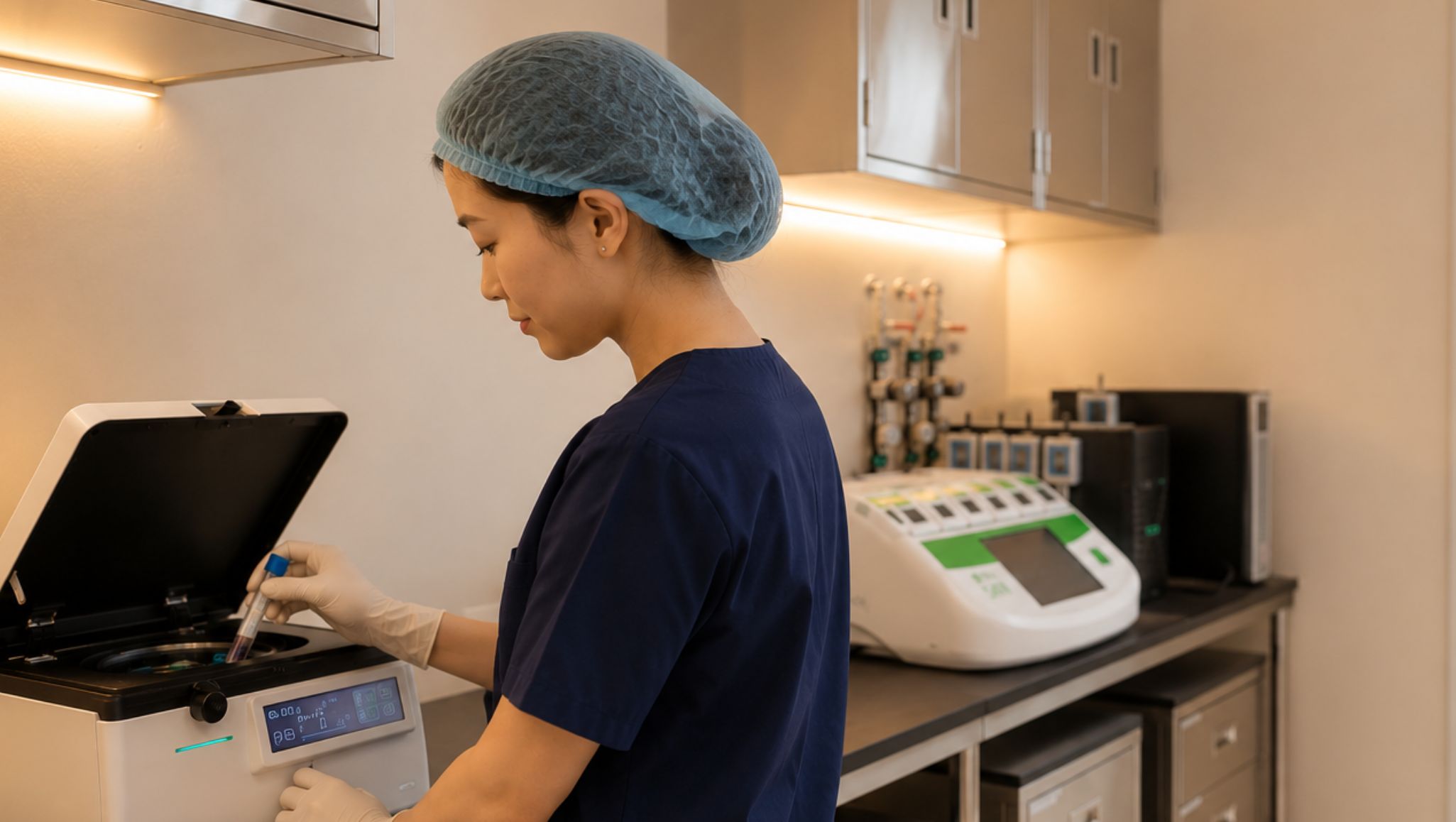
Fertility assessment at
GenPrime Fertility Singapore
At GenPrime Fertility Singapore, assessments are guided by your individual situation and may include:
- Hormone testing
- Ultrasound imaging
- Semen analysis
- Review of medical history
Based on your results, your doctor will guide you on what may be appropriate next steps, whether that involves monitoring, lifestyle considerations, or treatment options such as IVF where relevant.
Common questions about fertility, Age and Lifestyle
Fertility may begin to change from the mid-30s, particularly for women, as egg quantity and quality gradually decline over time.
Lifestyle changes may support overall health and reproductive function. However, they do not guarantee pregnancy and are best considered alongside medical guidance.
You may consider a fertility assessment in Singapore if you have been trying to conceive without success, have irregular cycles, or would like to better understand your fertility health before planning a pregnancy.
Ongoing stress may influence hormone balance and menstrual patterns. Managing stress can support overall wellbeing.
Not always. Some individuals choose to undergo testing to better understand their fertility profile, especially when planning ahead.
Speaking with a doctor can help you better understand what may be appropriate for you.