
Male Factor Infertility in Singapore
Male Factor Infertility refers to situations where sperm quality or function may affect the chances of conception. It is a common factor and may be present even when there are no obvious symptoms.
Some individuals in Singapore may only become aware of this during a fertility assessment. Understanding male fertility can help guide when to seek advice and what steps may be appropriate.

What is Male Factor Infertility?
Male Factor Infertility relates to how sperm is produced, functions, or is delivered.
This may involve:
- Sperm count (how many sperm are present)
- Sperm motility (how well sperm move)
- Sperm morphology (shape and structure)
Changes in any of these areas may affect the ability of sperm to reach and fertilise an egg.
How Male Fertility may affect conception?
For natural conception to occur, sperm needs to be present in sufficient quantity, move effectively, and be able to fertilise the egg.
When there are changes in sperm quality or function, it may:
- Take longer to conceive
- Reduce the likelihood of fertilisation
- Affect overall fertility potential
In some cases, Male Factor Infertility may be the main contributing factor. In others, it may occur alongside female fertility factors.
What can affect Male Fertility?
Several factors may influence sperm quality and reproductive health:
In some cases, no clear cause is identified.

Are there symptoms?
Male Factor Infertility does not always present with noticeable symptoms.
Some individuals may:
- Have no obvious signs
- Only discover concerns through testing
- Notice changes related to underlying conditions
This is why a semen analysis is often recommended as part of a fertility assessment.
How Male Fertility is assessed
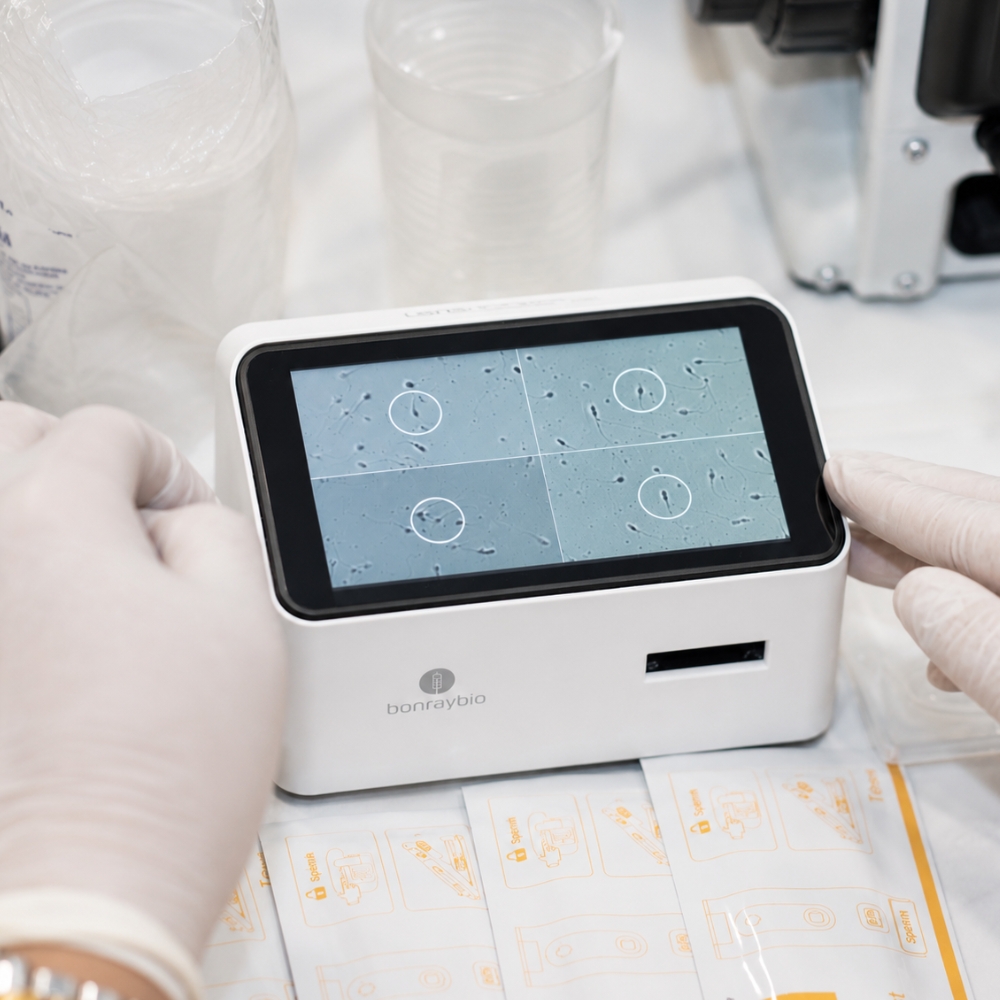
A semen analysis is commonly used to assess Male Fertility. It evaluates:
- Sperm count
- Sperm movement
- Sperm structure
Additional tests may be recommended depending on your medical history.
A structured Fertility Assessment in Singapore helps provide a clearer understanding of your fertility health.

What are the possible next steps
Next steps depend on the findings and your overall situation.
This may include:
- Lifestyle adjustments
- Further medical evaluation
- Monitoring over time
- Fertility treatments such as IUI or IVF, where appropriate
Your doctor will guide you on what may be suitable for your situation.
When to consider speaking with a doctor
You may wish to consult a fertility doctor in Singapore if:
- You have been trying to conceive without success
- A semen analysis shows abnormal findings
- You have a known medical condition affecting fertility
- You would like to better understand your reproductive health
Seeking advice can help you understand your situation and available options.

Male Fertility care at
GenPrime Fertility Singapore
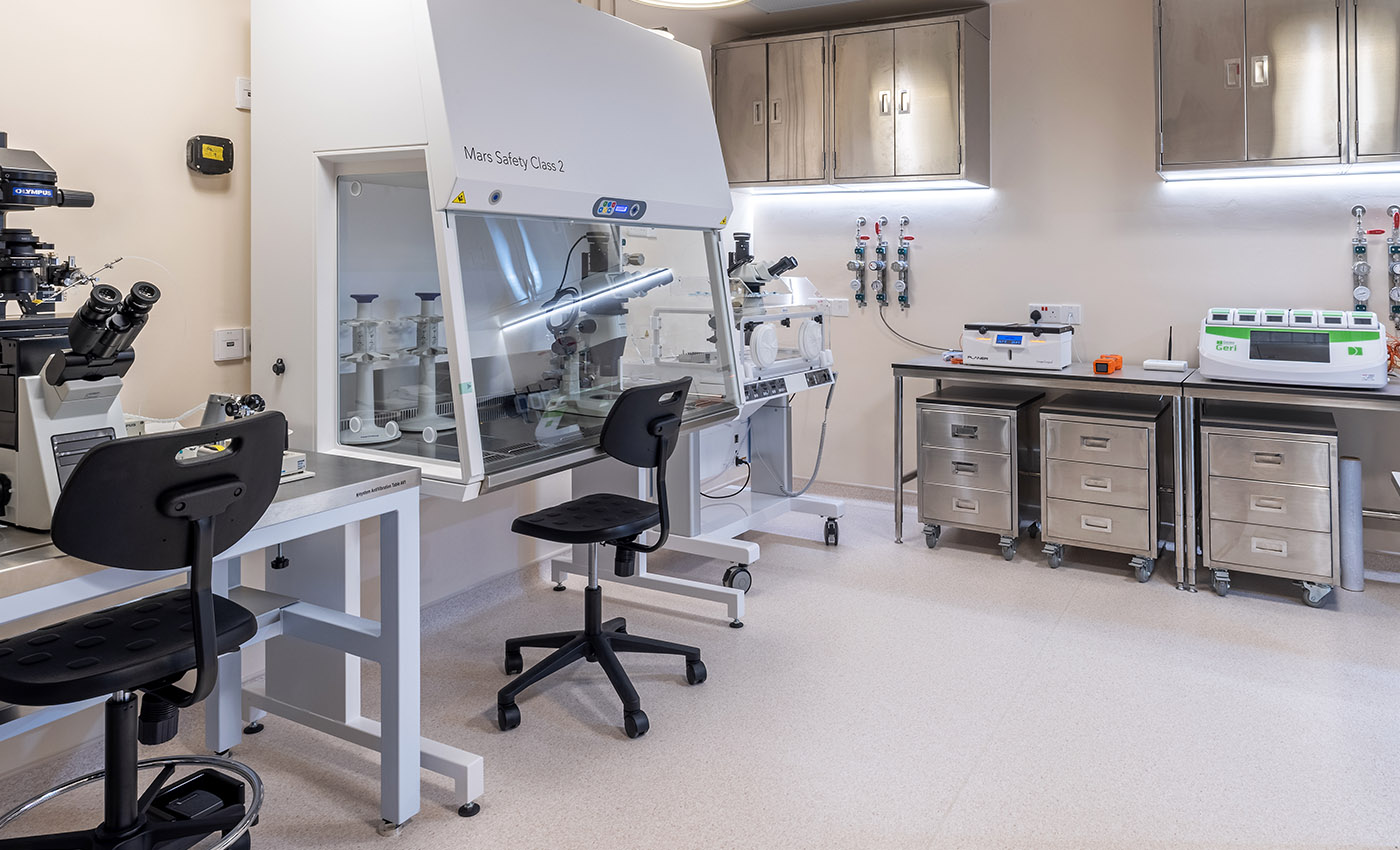
At GenPrime Fertility Singapore, care is guided by your individual situation and may include:
- Semen analysis
- Hormone testing
- Review of medical and reproductive history
Based on your results, your doctor will guide you on what may be appropriate next steps.
Common questions about
Male Factor Infertility
In some cases, treatment or lifestyle changes may be considered. In others, fertility treatment options may be discussed based on your situation.
Lifestyle factors such as smoking, alcohol, and weight may influence sperm health and overall fertility.
Male Factor Infertility is a common contributing factor in couples experiencing difficulty conceiving.
A semen analysis is the most common test used to assess sperm count, movement, and structure.
Conception may still be possible depending on the severity and other factors. Your doctor will guide you based on your profile.
Speaking with a doctor can help you better understand what may be appropriate for your situation.