
Different paths to conception
In-Vitro Fertilisation (IVF) is a widely recognized method of assisted conception. This process begins with hormone treatments and injections designed to stimulate the ovaries, encouraging them to produce more eggs. Once the eggs are ready, they are retrieved and then fertilized with a sperm sample in a laboratory to create embryos. The final step involves transferring the embryos into the uterus, with the hope of achieving a successful pregnancy.
Intrauterine Insemination (IUI) is a procedure that aids natural conception by placing specially prepared sperm directly into the uterus. This technique boosts the chances of sperm reaching the fallopian tubes and fertilizing the mature egg. In some cases, medications and a trigger injection are used to stimulate the production of multiple eggs and to time their release accurately.
Ovulation Induction is a hormone treatment that uses oral medications such as Clomid or Letrozole to stimulate the ovaries to develop eggs and induce ovulation. This increases the chances of successful conception through timed intercourse. It can be used as a primary method or in conjunction with IUI, especially for women with irregular menstrual cycles or those who do not ovulate.
Fertility Tests and Assessments in Singapore
Understanding your fertility health is often one of the first steps when thinking about what comes next. Fertility assessments look at both male and female factors—helping your doctor understand your situation and guide what care may be appropriate for you.

The Testing Process
Your treatment is planned around your situation and guided closely by your doctor.
It may include:
A discussion with your doctor to understand your medical history, concerns, and goals.
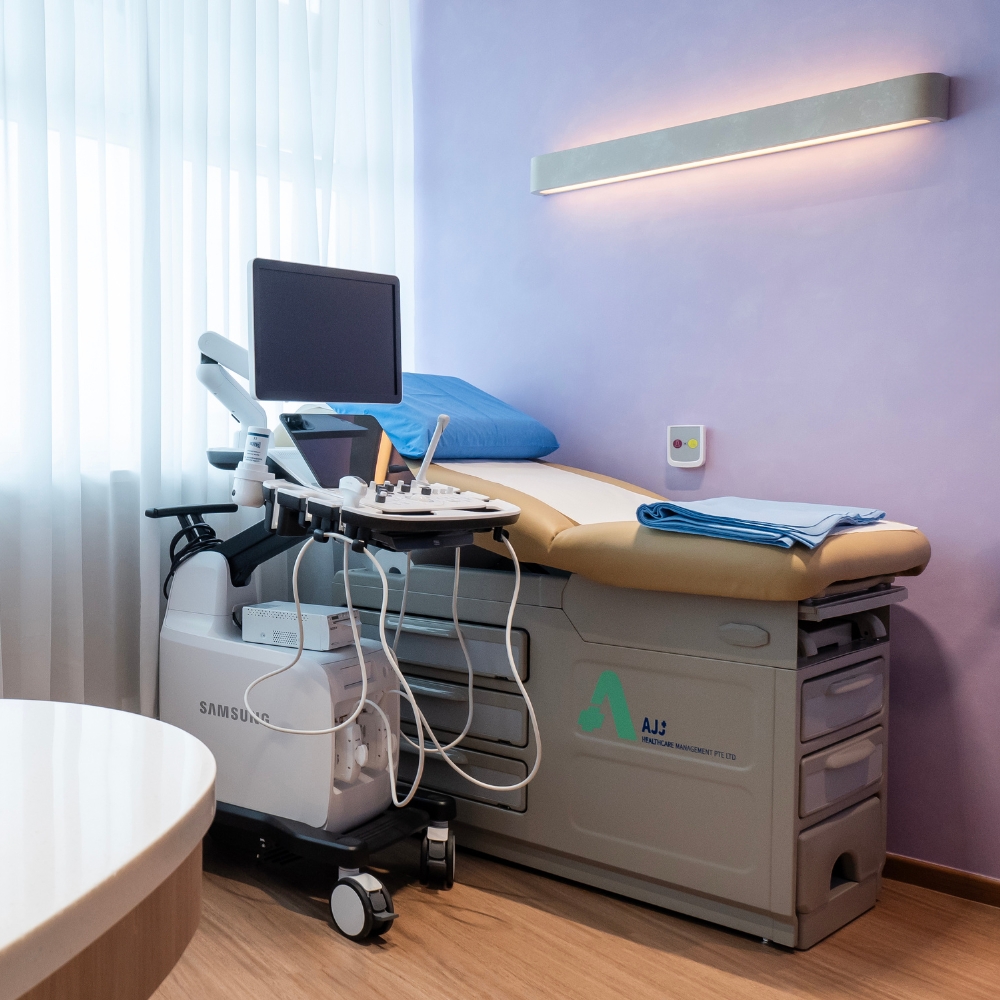
This may include hormonal blood tests and ultrasound imaging to assess reproductive health.
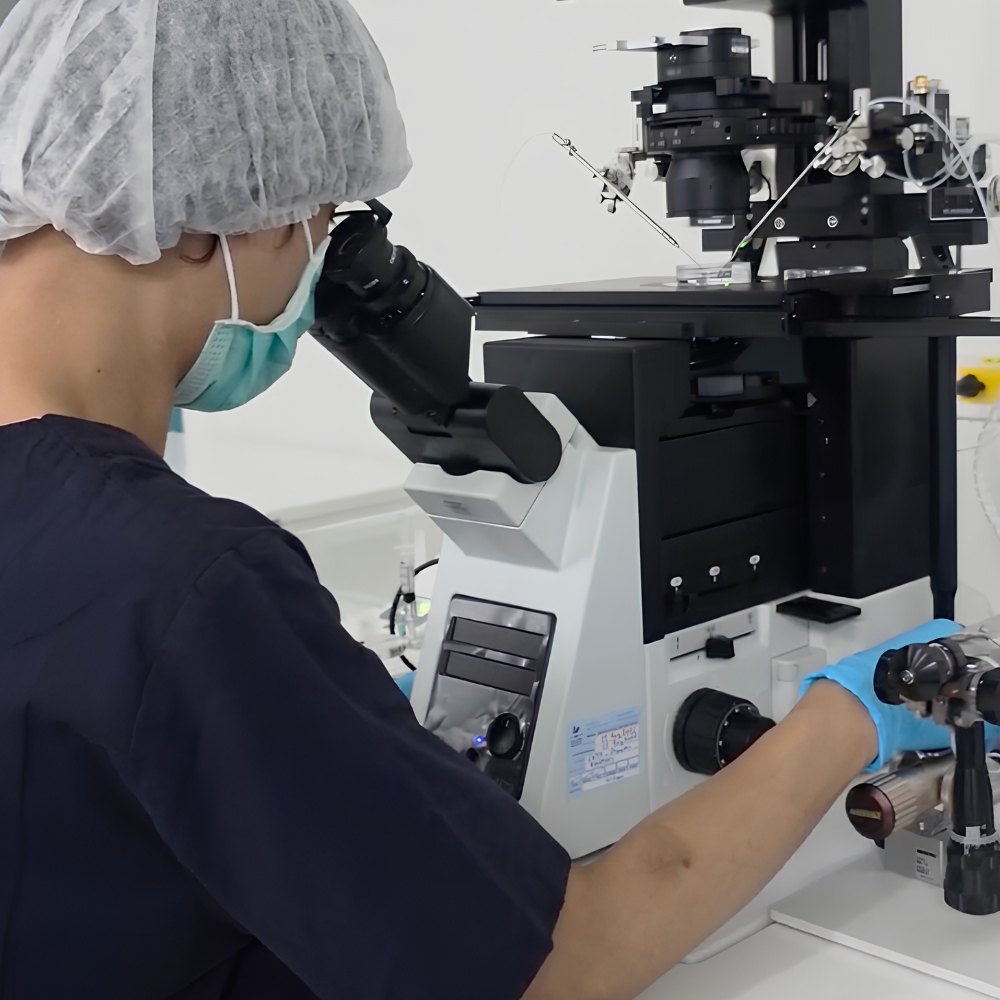
A semen analysis may be recommended to understand male factors that could affect fertility.
Will I Need Fertility Tests?
Your doctor may suggest fertility testing if any of the following apply:
- You have been trying to conceive for 6–12 months without success
- You experience irregular or absent menstrual cycles
- You have conditions such as PCOS, endometriosis, or fibroids
- You have a history of miscarriage
- You are above 35 years old and planning pregnancy
- There may be indications of male factor infertility
Even if you are not experiencing difficulties, some individuals choose to undergo fertility testing to better understand their fertility health when planning ahead.
What happens after testing?
Once your results are ready, your doctor will walk you through what they mean and discuss what may be appropriate next steps. This could include monitoring, further evaluation, or exploring options such as IVF or egg freezing—depending on your situation.
At GenPrime Fertility, assessments are not done in isolation. Your results are considered within the context of your overall health, timeline, and goals—so any next steps are guided with care and intention.
Common Questions
Most tests involve blood work or imaging and are generally well tolerated. Your doctor will guide you through what to expect.
Timelines may vary depending on the tests performed, but your team will keep you informed throughout.
Fertility assessments provide useful information, but they may not always give definitive answers. They are a starting point for understanding your situation.
Yes, some individuals choose to undergo testing to better understand their fertility health when planning ahead.
Your doctor will guide you through your results and discuss what may be appropriate next steps based on your situation.
Who can benefit from Fertility Tests and Assessments as a treatment option?
Couples who have been trying to conceive
Testing may be recommended after 6 to 12 months of trying without success, or earlier depending on age, medical history, and individual circumstances.
Women with cycle or reproductive health concerns
Irregular or absent periods, PCOS, endometriosis, fibroids, or a history of miscarriage may be reasons to assess fertility health more closely.
Individuals planning pregnancy or future care
Assessments can help provide a clearer view of fertility health, whether you are preparing for pregnancy, exploring possible male factors, or planning ahead.